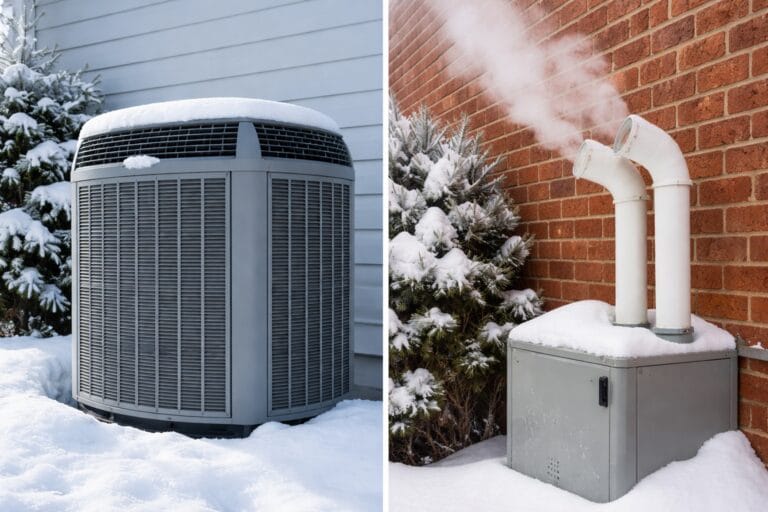
Choosing the right heating system is essential for Canadian homeowners, especially during long and harsh winters. Two of the most common options are heat pumps and furnaces. Both systems can effectively heat a home, but they work in very different ways and perform differently in cold climates.
If you’re considering upgrading your heating system, understanding the differences between these two options can help you make the best decision for comfort, efficiency, and long-term savings.
How a Furnace Works
A furnace generates heat by burning fuel (usually natural gas) or using electricity. The system then distributes warm air through ductwork to heat the home.
Key Benefits of Furnaces
- Reliable in extremely cold temperatures
- Heats homes quickly
- Long lifespan (typically 15–20 years)
- Works well in regions with very harsh winters
Because Canadian winters can drop well below freezing, furnaces have traditionally been the most common heating system across the country.
Potential Drawbacks
- Higher energy consumption
- Higher monthly heating bills
- Burns fossil fuels, producing emissions
How a Heat Pump Works
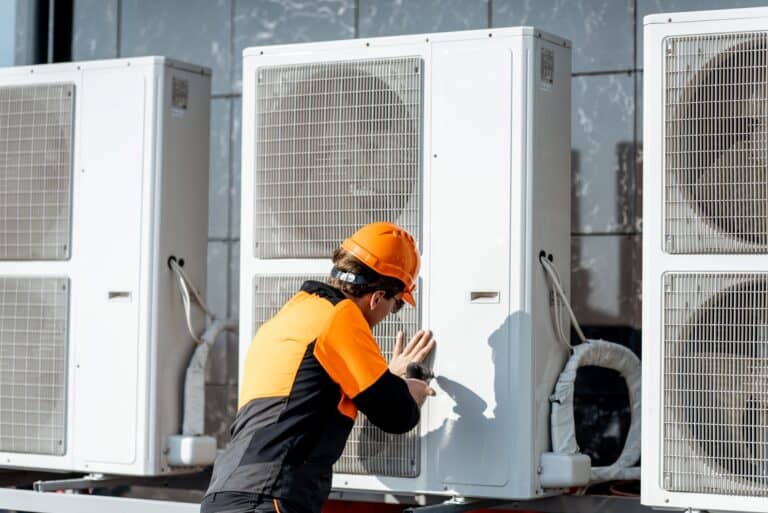
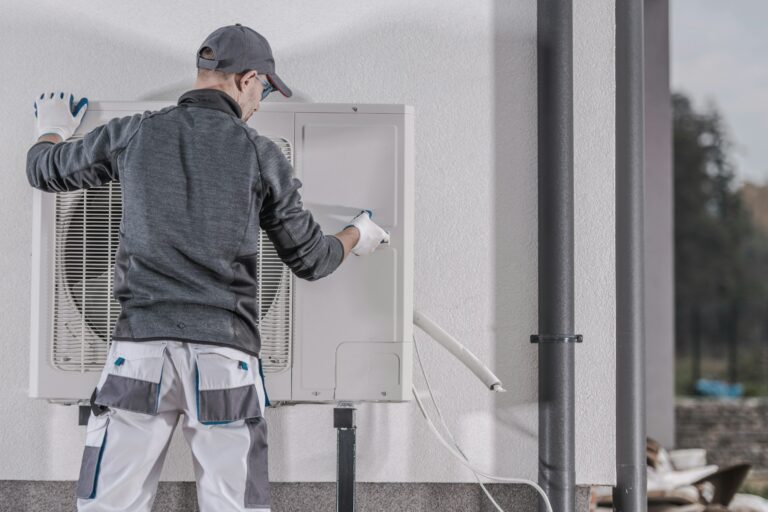
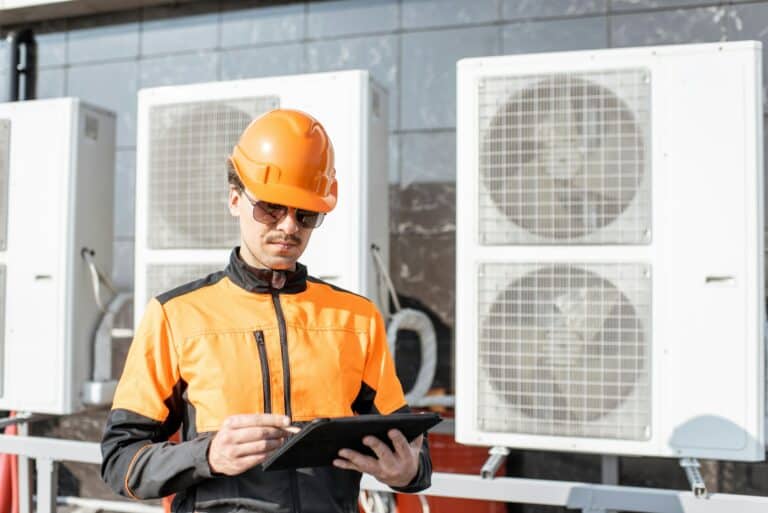
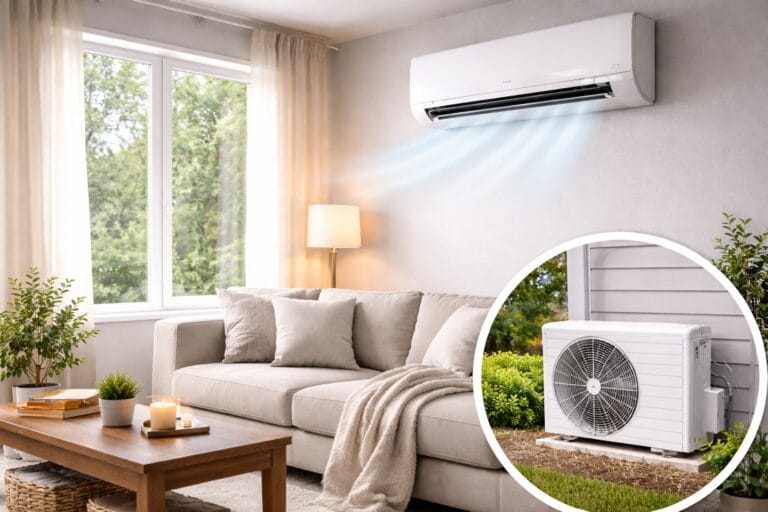
Unlike furnaces, heat pumps do not generate heat. Instead, they transfer heat from outside air into your home. Even in cold weather, outdoor air still contains heat energy that the system can capture.
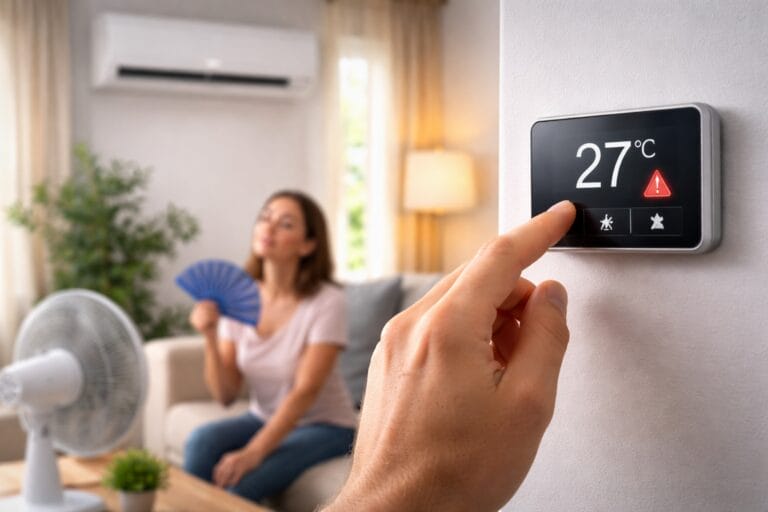
Heat pumps can also reverse the process in summer, acting as an air conditioner.
Key Benefits of Heat Pumps
- Very energy efficient
- Provides both heating and cooling
- Lower operating costs in mild climates
- Environmentally friendly
Potential Drawbacks
- Efficiency drops in very cold temperatures
- Higher installation cost
- May require a backup heating system in colder regions
Heat Pump vs Furnace: Cold Climate Performance
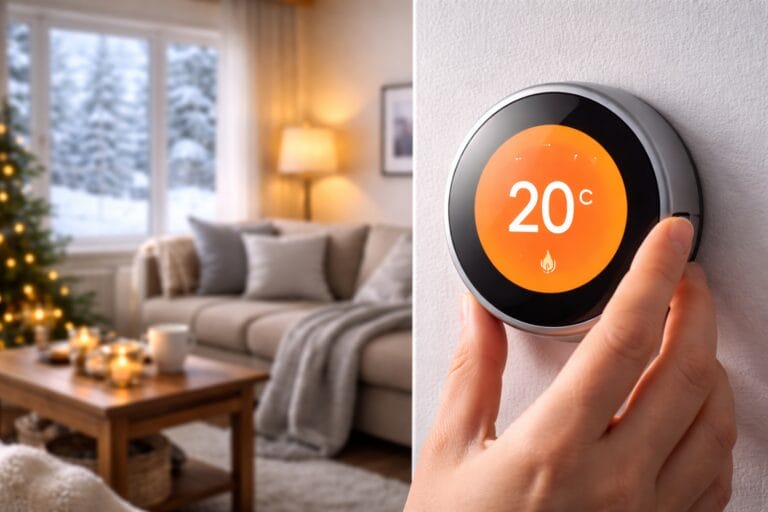
In Canada, winter temperatures can often drop below -20°C in many regions. This is where the biggest difference between the systems appears.
Furnace Performance
Gas furnaces maintain strong heating capacity even during extremely cold weather. They can quickly produce large amounts of heat regardless of outside temperatures.
Heat Pump Performance
Modern cold-climate heat pumps have improved significantly and can still operate in temperatures as low as -25°C. However, their efficiency may decrease as temperatures drop, and many systems rely on backup heating.
Energy Efficiency Comparison
One of the biggest advantages of heat pumps is efficiency.
Heat pumps can deliver two to four times more heat energy than the electricity they consume. ENERGY STAR Canada recommends high-efficiency heating systems to reduce energy consumption and lower energy bills.
Heat Pumps
Can deliver 2–4 times more heat energy than the electricity they consume
Lower energy bills in moderate climates
Eligible for government rebates in many Canadian provinces
Furnaces
High-efficiency furnaces reach 95–98% efficiency
Still consume natural gas or electricity to generate heat
In terms of pure efficiency, heat pumps often outperform furnaces, especially during milder winter days.
Installation and Operating Costs
Furnace Costs
- Lower installation cost
- Higher ongoing fuel expenses
Heat Pump Costs
- Higher installation cost
- Lower energy bills
- Potential government rebates or incentives
Many homeowners now consider hybrid systems, which combine a heat pump with a furnace for maximum efficiency and reliability.
Which System Is Better for Canadian Homes?
The best heating system depends on several factors, including climate, home insulation, and energy costs.
A Furnace May Be Better If:
- You live in extremely cold regions
- You want reliable heating in very low temperatures
- Your home already uses natural gas
A Heat Pump May Be Better If:
- You want lower energy bills
- You want both heating and cooling
- You want a more environmentally friendly system
- You live in a milder part of Canada
Final Thoughts
Both heat pumps and furnaces can work well in Canada, but they serve different needs. Furnaces offer strong performance during extreme cold, while heat pumps provide excellent efficiency and year-round comfort.
For many homeowners, the best solution is a hybrid heating system that combines the strengths of both technologies. This approach allows the heat pump to operate during milder temperatures while the furnace takes over during extreme cold.
If you’re considering installing or upgrading your heating system, consulting an HVAC professional can help determine the best option for your home’s size, insulation, and climate conditions.