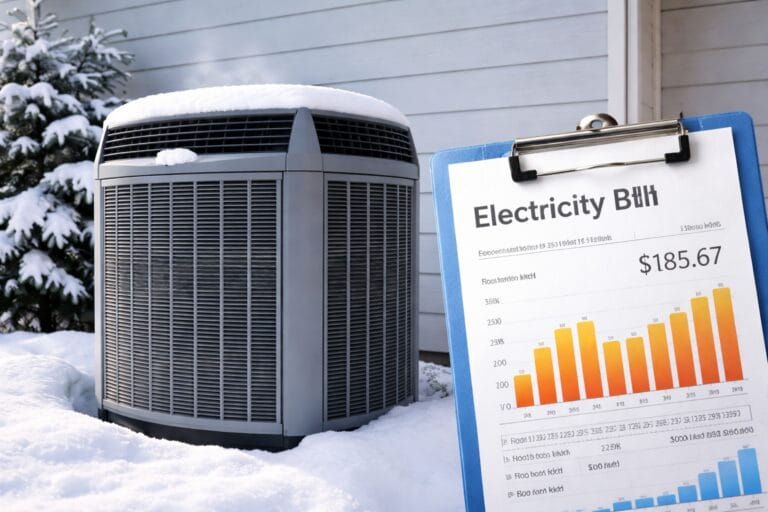
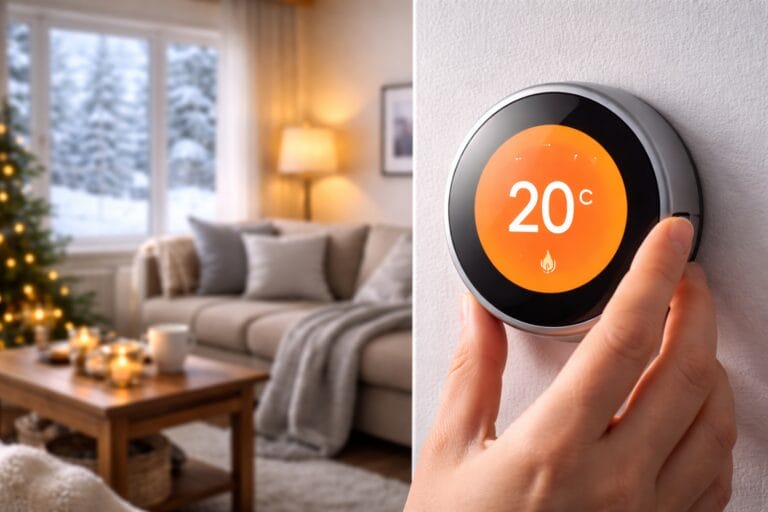
Keeping your home warm during a Canadian winter can be expensive but the right thermostat settings can make a big difference. By adjusting your thermostat strategically, you can stay comfortable while reducing your heating costs.
In this guide, we’ll show you the best thermostat settings for winter in Canada, along with simple tips to help you save on your energy bills.
What Is the Ideal Thermostat Setting in Winter?
For most Canadian homes, the recommended thermostat setting is:
- 21°C (70°F) when you’re home and awake
- 16–18°C (60–64°F) when you’re sleeping or away
These settings provide a good balance between comfort and energy efficiency.
👉 Lowering your thermostat by just a few degrees can significantly reduce your heating costs over time.
Why Lowering Your Thermostat Saves Money
Heating accounts for a large portion of your energy bill in winter. The higher your thermostat is set, the harder your furnace or heat pump has to work.
Key Benefits of Lower Settings:
- Reduced energy consumption
- Lower monthly utility bills
- Less strain on your heating system
- Longer equipment lifespan
Even a 1°C reduction can lower heating costs by up to 2–3%.
Best Thermostat Settings for Different Situations
Adjusting your thermostat based on your daily routine can maximize savings.
H3: When You’re at Home
- Keep it around 20–21°C
- Comfortable for most households
H3: When You’re Sleeping
- Set to 16–18°C
- Cooler temperatures improve sleep quality
H3: When You’re Away
- Lower to 16°C or lower
- Avoid turning it off completely to prevent freezing pipes
Should You Leave the Thermostat at One Temperature?
Many homeowners wonder if it’s better to keep a constant temperature.
👉 The answer: No.
Lowering your thermostat when you don’t need as much heat is more energy-efficient than maintaining the same temperature all day.
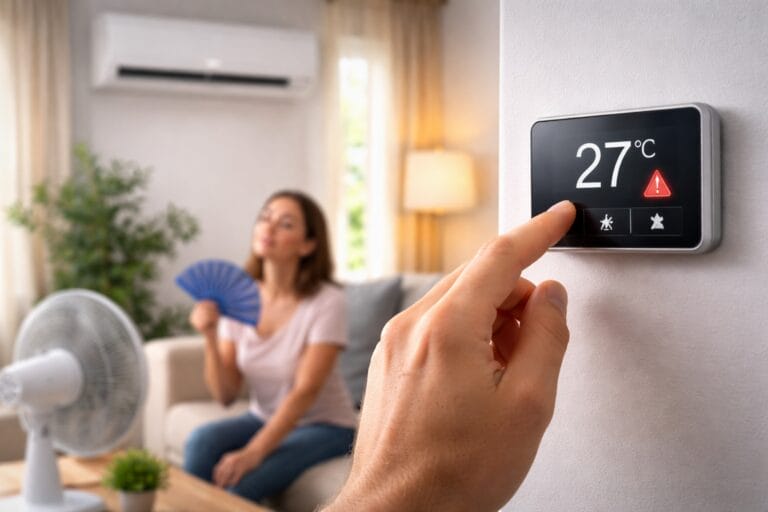
Using a programmable or smart thermostat can automate these adjustments and maximize savings.
Smart Thermostats: Are They Worth It?
Smart thermostats are becoming popular in Canadian homes.
Benefits:
- Automatically adjust temperature based on your schedule
- Remote control via smartphone
- Energy usage reports
- Potential savings of 10–15% on heating costs
They are especially useful for busy households or those who forget to adjust settings manually.
Tips to Maximize Heating Efficiency
Your thermostat settings work best when combined with proper home efficiency.
Simple Tips:
- Seal drafts around windows and doors
- Replace furnace filters regularly
- Use curtains to retain heat
- Schedule annual HVAC maintenance
These small improvements can make a big difference in your energy usage.
Common Thermostat Mistakes to Avoid
Avoid these common mistakes that can increase your heating bill:
- Setting the temperature too high
- Constantly adjusting the thermostat
- Turning the system off completely in winter
- Ignoring maintenance
Consistency and proper settings are key to efficiency.
Final Thoughts
Finding the best thermostat settings for winter in Canada doesn’t have to be complicated. By keeping your home around 21°C when active and lowering it when you’re asleep or away, you can stay comfortable while saving money.
Small changes in your thermostat habits can lead to noticeable savings over the winter season. For even better results, consider upgrading to a smart thermostat and maintaining your heating system regularly.