
Ductless mini-split systems are becoming one of the most popular heating and cooling solutions in Canada. Whether you’re upgrading your HVAC system or adding comfort to a specific room, mini-splits offer flexibility, efficiency, and year-round comfort.
But what exactly makes them a smart choice for homeowners?
In this guide, we’ll break down the key benefits of ductless mini-split systems, how they work, and why they might be the perfect solution for your home.
What Is a Ductless Mini-Split System?
A ductless mini-split system consists of two main components:
- An outdoor compressor unit
- One or more indoor air-handling units
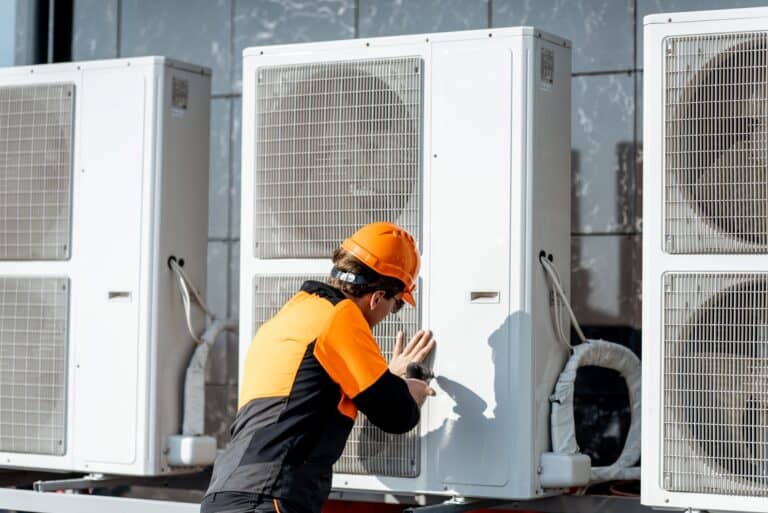
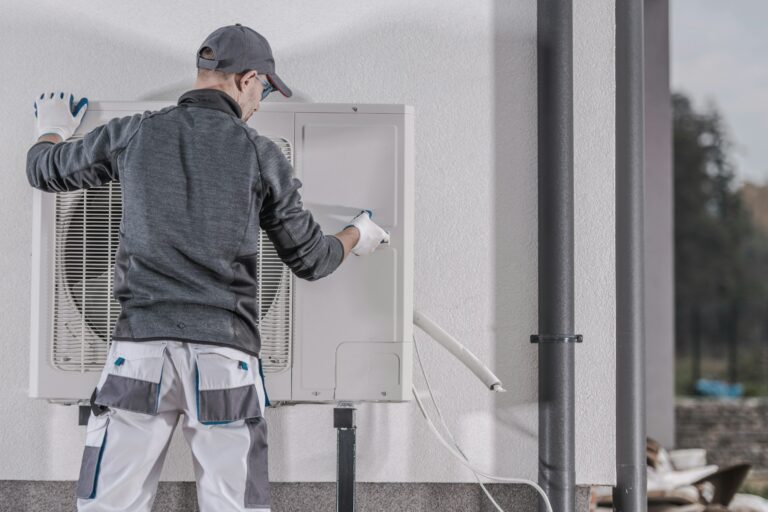
These units are connected by refrigerant lines, allowing them to deliver heating and cooling without the need for ductwork.
Energy Efficiency and Lower Utility Bills
One of the biggest advantages of mini-split systems is their high energy efficiency.
Ductless mini-split systems are known for their high efficiency and flexibility. According to the U.S. Department of Energy, these systems are ideal for homes without ductwork and can significantly reduce energy losses.
Why They Are Efficient:
- No energy loss through ducts
- Inverter technology adjusts output based on demand
- Zoned heating and cooling reduces wasted energy
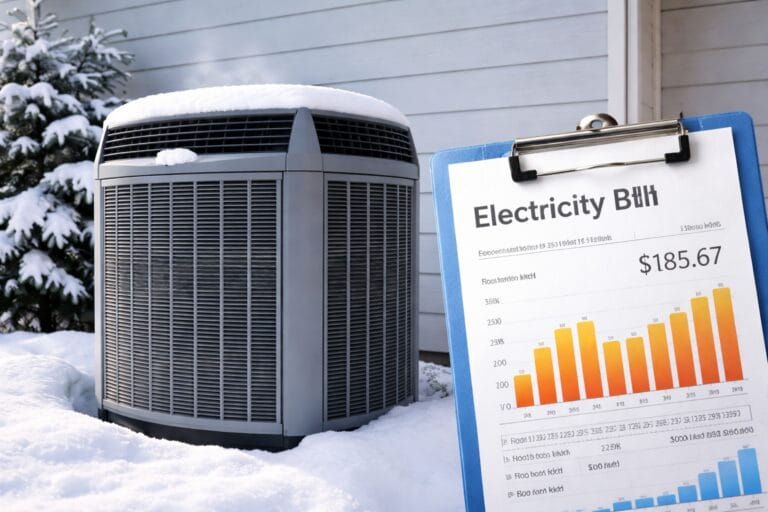
This can lead to significantly lower electricity bills, especially compared to older systems or electric baseboard heating.
Zoned Comfort for Every Room
Mini-split systems allow you to control the temperature in individual rooms or zones.
Benefits:
- Customize comfort in each room
- Avoid heating or cooling unused spaces
- Ideal for families with different temperature preferences
This level of control makes mini-splits perfect for multi-level homes, basements, and home additions.
Easy Installation Without Ductwork
Installing traditional HVAC systems with ductwork can be expensive and invasive. Mini-splits offer a much simpler solution.
Installation Advantages:
- Minimal wall penetration
- Faster installation time
- Lower installation cost (in many cases)
- Perfect for older homes without ducts
Heating and Cooling in One System
Ductless mini-splits are dual-purpose systems, meaning they provide both:
- Cooling in the summer
- Heating in the winter
Many modern systems are designed to perform efficiently even in cold Canadian climates, making them a great year-round solution.
Improved Indoor Air Quality
Because mini-splits don’t rely on ducts, they avoid issues like:
- Dust buildup in ductwork
- Mold and allergens spreading through vents
Additional Benefits:
- Built-in air filtration
- Cleaner indoor air
- Better for allergy-sensitive households
Quiet Operation
Mini-split systems are known for being extremely quiet.
- Indoor units operate at very low noise levels
- Outdoor units are quieter than traditional systems
This makes them ideal for:
- Bedrooms
- Offices
- Living spaces
Flexible Design Options
Mini-splits come in a variety of styles to match your home:
- Wall-mounted units
- Ceiling cassettes
- Floor-mounted systems
This flexibility allows you to choose a design that blends with your interior.
Ideal for Many Types of Homes
Mini-split systems are especially useful for:
- Homes without existing ductwork
- Basements and garages
- Home additions
- Rental units
- Older houses
They provide an efficient solution where traditional HVAC systems may not be practical.
Are Ductless Mini-Splits Worth It in Canada?
Yes, mini-splits are an excellent option for many Canadian homeowners.
Key Advantages:
- Energy-efficient operation
- Lower utility costs
- Flexible zoning
- Easy installation
- Year-round comfort
While the upfront cost may be higher than some systems, the long-term savings and comfort often make it a worthwhile investment.
Final Thoughts
Ductless mini-split systems offer a modern, efficient, and flexible way to heat and cool your home. With benefits like energy savings, zoned comfort, and easy installation, they are becoming a top choice for homeowners across Canada.
If you’re looking for a reliable HVAC solution that adapts to your needs, a mini-split system is definitely worth considering.
Frequently Asked Questions
Are mini-splits cheaper to run than central air?
Yes, in many cases they are more efficient because they avoid duct losses and allow zoned control.
Do mini-splits work in cold Canadian winters?
Yes. Modern cold-climate mini-splits can operate efficiently in temperatures as low as -20°C to -25°C.
How long do ductless mini-split systems last?
Typically, they last 15–20 years with proper maintenance.